Types of Wine Drinkers: What Each Generation Wants in a Glass Today
Nov 28, 2025
Agnesha Dahal
Discover the types of wine drinkers across generations, from Boomers to Gen Z. Learn how wine consumption, wellness, sustainability, and new formats shape modern habits.
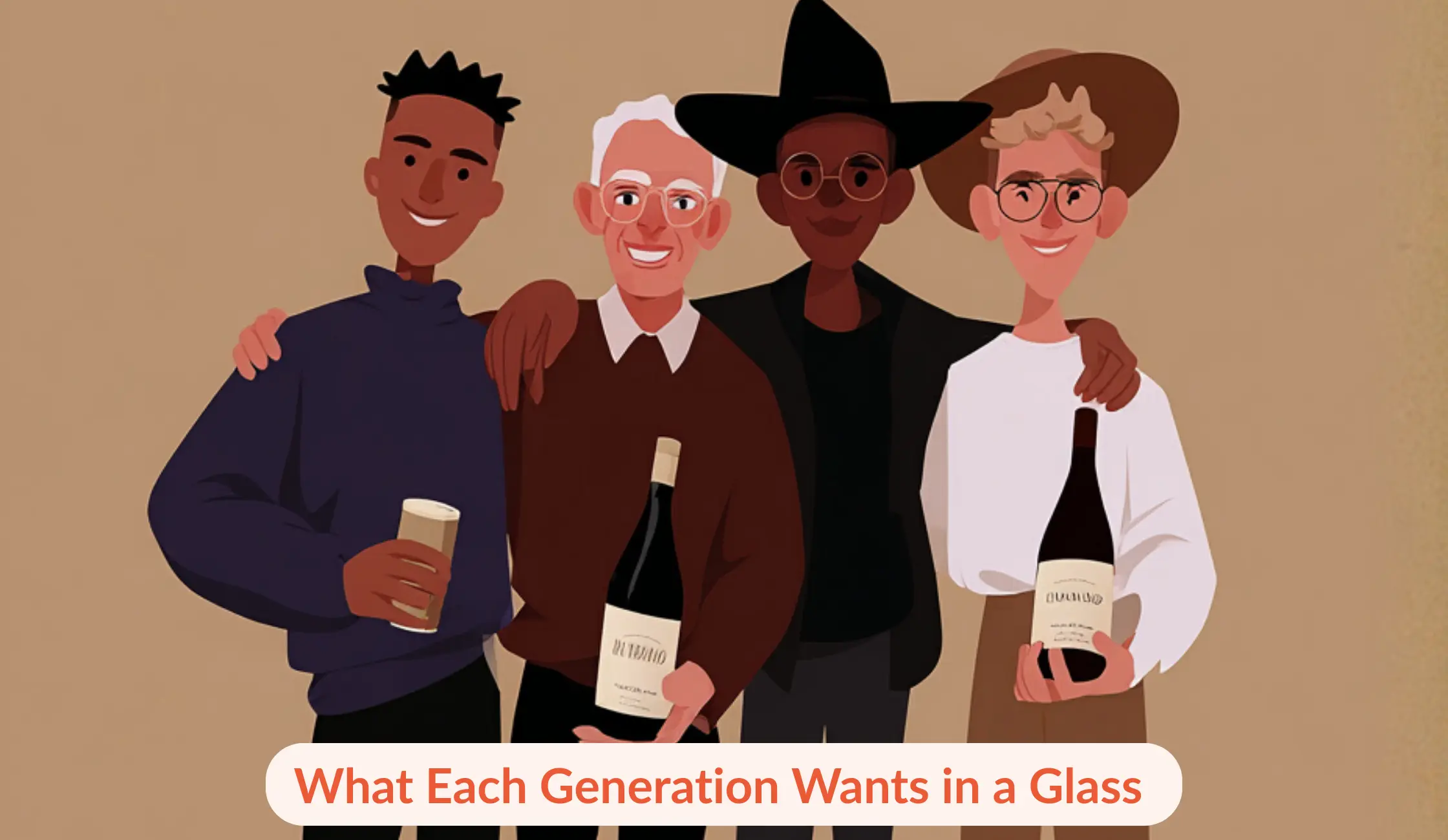
Every generation approaches wine in its own way, and those habits shape how the industry grows and adapts. Today, wine consumption looks very different from the past. Younger people want values and convenience. Older drinkers stay loyal to classic styles. Understanding these types of wine drinkers helps explain where the market is heading and why. This rise of new wine drinkers, especially Gen Z, shows what matters now.
Boomers: The Loyal Traditionalists
Boomers rely on wine as part of their daily rhythm. They drink often and stay loyal to regions they know well. Their choices lean toward trusted labels, clear value, and straightforward styles. For this group, wine is comfort. They prefer classic grapes and familiar regions, and they appreciate wines that feel steady. This older segment still holds most of the volume in global markets.
Gen X: The Steady Quality Seekers
Gen X has become one of the most influential types of wine drinkers today. They drink a little less often than Boomers, but they are willing to pay more for quality. They enjoy a mix of trusted favorites and thoughtful discoveries. Their wine choices are guided by reliability and good craftsmanship. Many wineries rely on Gen X for stable spending in premium tiers.
Millennials: The Premium Explorers
Millennials changed the tone of the wine world by pushing the premiumization trend. They drink less frequently but spend more per bottle. This generation likes depth, story, and connection. They seek authenticity, sustainable practices, and wines that feel intentional. In Southern Spain, wineries reviving native grapes like Tintilla de Rota or crafting minimal intervention wines match these expectations well.
Gen Z: The Wellness-Driven New Wine Drinkers
Gen Z enters the wine market with a different mindset. Wellness comes first, alcohol second. They enjoy wine in short bursts rather than regular routines. Cans, RTDs, and NoLo formats fit their lifestyle of convenience and moderation. Sustainability, ethical production, and transparent values guide their choices. If a wine feels outdated or unclear, they scroll past it. Gen Z wine habits reward brands that stay real and flexible.
Wellness-Driven Drinking Habits
Across younger generations, wellness plays a major role in decision making. People want drinks with purpose, not pressure. They look for lower alcohol options, clear ingredient stories, and production methods that respect the land. This shift helps sustainable wines grow in popularity. In the South of Spain, many family wineries focus on organic agriculture and hands-on farming. Their wines show how tradition and mindful practices can work together.
Premiumization and Why It Matters
Even though total wine consumption is declining in many regions, spending is rising. People are choosing fewer but better bottles. This is especially true among Millennials. Premiumization rewards wineries that offer strong stories and high quality. In Andalusia and Extremadura, old vines, native varieties, and careful farming all contribute to this movement. Wines made without international grapes like Cabernet or Merlot feel more authentic to modern drinkers.
Innovation in Wine Formats
Cans, RTDs, and NoLo wines are becoming normal. Younger drinkers care about convenience, and they want formats that fit weekends, picnics, and casual nights. Gen Z often chooses canned wine or spritzers over traditional bottles. Innovation keeps wine competitive with beer, cocktails, and other ready to drink options. This trend pushes producers to reimagine how wine can travel and how people enjoy it.
Values Based Choices Among Younger Drinkers
Younger generations want to support brands that stand for something. They look for sustainable wines, fair practices, and clear environmental decisions. Authenticity matters more than marketing language. A winery that farms organically or revives forgotten grapes is more appealing than one that relies on broad claims. This shift rewards regions like Southern Spain, where tradition and sustainability already run deep.
Traditional Preferences Among Older Drinkers
Older wine consumers keep the market balanced. They prefer well known regions, dry reds, classic whites, and consistent flavors. They appreciate clear labels, familiar grapes, and structured bottles. Their habits anchor the industry while younger drinkers explore new paths. Having both groups in the market keeps wine diverse and vibrant.
Every generation brings new expectations to the table. Boomers value comfort. Gen X looks for quality. Millennials want story and depth. Gen Z asks for wellness, honesty, and convenience. Together, these types of wine drinkers explain where wine is heading next and why producers are adjusting their style, formats, and farming choices.
What generation do you feel closest to in your wine habits? To get the latest news on wine trends for any generation, follow @puralegria_wines